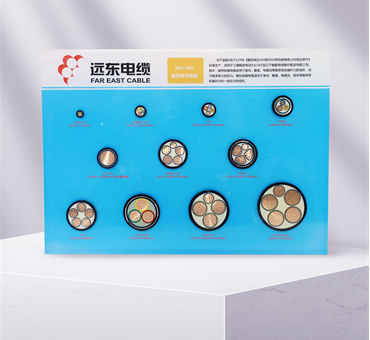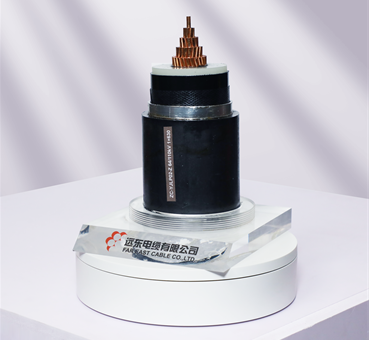
Power Cables
Start with system voltage, installation route and governing project documents, then narrow the construction by conductor, insulation, sheath and mechanical protection.
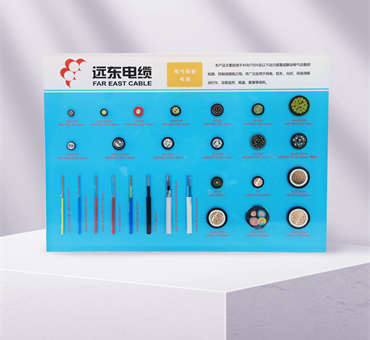
Explore →Find power, control, instrumentation, renewable-energy and special cable families, then confirm construction and compliance against project inputs.
Three ways to start
Use the project information you already have: voltage, cable function or application.
Product families
Start with system voltage, installation route and governing project documents, then narrow the construction by conductor, insulation, sheath and mechanical protection.
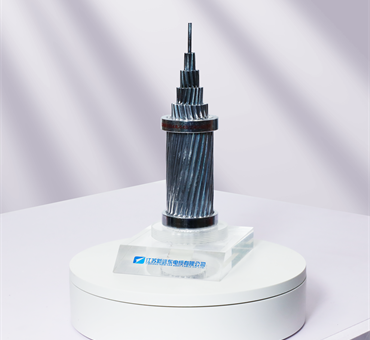
Explore →Conductor selection connects electrical capacity with span, sag, strength, wind, corrosion, fittings and route conditions.
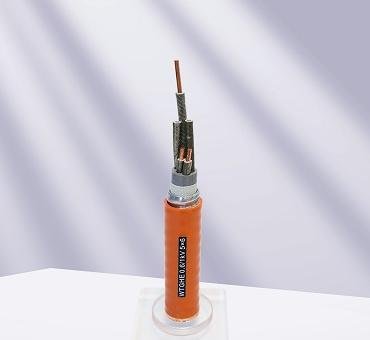
Explore →Control and instrumentation circuits require clear signal function, voltage, pair or core layout, screening, EMC, armour and fire-performance inputs.
Explore →Fire performance is not one generic label. State the required test method, classification, circuit survival, smoke and halogen limits, installation and approval route.
Explore →Renewable-energy cable packages combine electrical duty with UV, temperature, torsion, vibration, moisture, oil, salt spray, route and service-life conditions.
Explore →Power cable voltage
The final designation must match the system and governing standard.
Low-voltage cable selection depends on load, installation method, conductor, number of cores, short-circuit duty and fire-performance requirements.
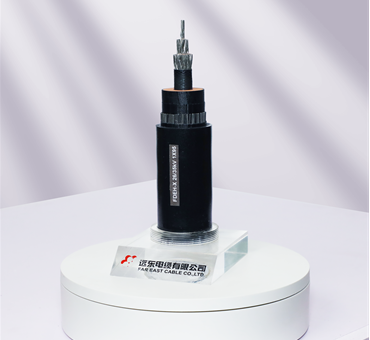
Explore →Medium-voltage packages require confirmation of system voltage, earthing, insulation level, screen design, installation route and test requirements.
Explore →High-voltage selection is a system engineering task covering insulation coordination, bonding, sheath, water blocking, accessories, route conditions and testing.
Explore →Specification route
Upload it once with voltage, construction, quantity, standard and delivery inputs. Unresolved items can be marked for technical confirmation.